









AI can make app onboarding faster and more personal, adapting flows, tips and messages to each user so more of them reach the moment your app clicks. We'll cover the trends shaping AI onboarding, eight tools worth considering, and how to choose one that lifts retention.
1. Personalization with AI
Dynamically adapt to each user's unique journey. Predictive AI analyzes behavior patterns, device types, and prior interactions to suggest relevant content and features in real-time. As users navigate the app, these dynamic flows evolve automatically, making the experience feel personally crafted from the first interaction.
- Tool Example: CleverTap – Known for delivering personalized user journeys, CleverTap's AI engine triggers personalized onboarding flows to engage users effectively at each touchpoint.
- G2 Review Insight: CleverTap scores 4.6/5, with users praising the platform's ability to boost engagement through behavior-based notifications.
- Case Study: A mobile gaming app using CleverTap’s agentic segmentation improved onboarding completion rates by 25% by sending personalized in-app messages at optimal moments.
2. Automated In-App Guidance
Integrating chatbots and virtual assistants reduces friction by offering on-demand help during onboarding. AI-driven automation ensures that users are guided seamlessly, leading to faster adoption.
- Key Features: Tools like agentic chatbots answer FAQs, while in-app guides adjust based on the user's progress. Virtual assistants can initiate conversations to nudge users who seem stuck.
- Tool Example: Intercom – Specializes in onboarding chatbots that engage users and automate responses to common questions.
- G2 Review Insight: Intercom scores 4.4/5, with users commending the tool for improving customer experience through automated, personalized conversations.
- Case Study: A SaaS company implemented Intercom chatbots during onboarding, resulting in a 30% increase in feature adoption within the first week.
3. Behavioral Analytics for Onboarding Optimization
AI-driven behavioral analytics capture user patterns to identify bottlenecks, providing insights to refine onboarding flows. This intelligent observability offers actionable feedback to prevent drop-offs and improve long-term engagement.
- Key Features: Heatmaps and journey analytics highlight problem areas, and automated reports suggest improvements. AI also predicts drop-off points and enables proactive interventions.
- Tool Examples: Pendo and Whatfix – Both platforms offer analytics-powered in-app tutorials, walkthroughs, and recommendations.
- G2 Review Insights:some text
- Pendo: Rated 4.5/5, with users highlighting its ability to improve UX through in-depth behavioral insights.
- Whatfix: Rated 4.6/5, praised for intuitive tutorials and ease of implementation.
- Case Study: A financial services app implemented Whatfix’s onboarding flows, reducing drop-offs by 20% and enhancing user satisfaction with personalized walkthroughs.
In today’s competitive landscape, integrating AI into onboarding has gone from a nice-to-have to something that meaningfully moves the needle on engagement, churn, and how efficiently you can scale.
Why do users drop off during onboarding?
The instinct is to look at content: is the onboarding too long, too complex, not explaining the value well enough? That's worth asking. But the most common reason users drop off in the first session is not the content. It's slow screens, unresponsive interactions and silent failures.
A user who taps "Next" and waits 4 seconds for the next screen doesn't think "this onboarding content is unclear." They think the app is broken. They leave.
The failure modes that cause onboarding drop-off that aren't content problems:
- Slow screen loads on the first few screens. Cold launch is the slowest part of the session. If the first two or three screens of onboarding are heavy (lots of images, animations, API calls on load), users experience the app at its slowest point before they've seen anything valuable. The first screen should load as fast as possible.
- Permission request flows that behave differently by OEM. Asking for notification or camera permissions during onboarding encounters different system dialogs on different Android manufacturers. A flow that works perfectly on a Pixel may hang or crash on a Samsung or Xiaomi device running a modified Android build.
- Silent failures in account creation or verification. An email verification step that fires an API call that silently times out leaves the user waiting with no feedback. If the app doesn't handle the failure state clearly, the user assumes they've done something wrong and gives up.
- Deep link entry into onboarding. Users who arrive from an ad or a referral link often enter the app mid-flow. If the deep link handler doesn't correctly set up the initial state for onboarding, the user may land on a broken or empty screen.
The diagnostic approach: segment your onboarding drop-off data by screen and by device. If drop-off on a specific step is higher on certain Android OEMs, that's a technical issue. If it's consistent across devices, that's likely a content issue. They have different fixes.
Understanding the key players in the user onboarding space helps set the stage, but selecting the right tools can be challenging. Developers need agentic solutions that not only align with business objectives but also deliver seamless, personalized onboarding experiences at scale. The ideal tools should integrate smoothly into existing workflows and offer actionable insights, enabling product teams to iterate quickly and meet user expectations.
Below are our top AI tool picks and how to best use them to leverage your app.
Top AI Tool Picks to Optimize User Onboarding
1. Chat GPT (OpenAi)
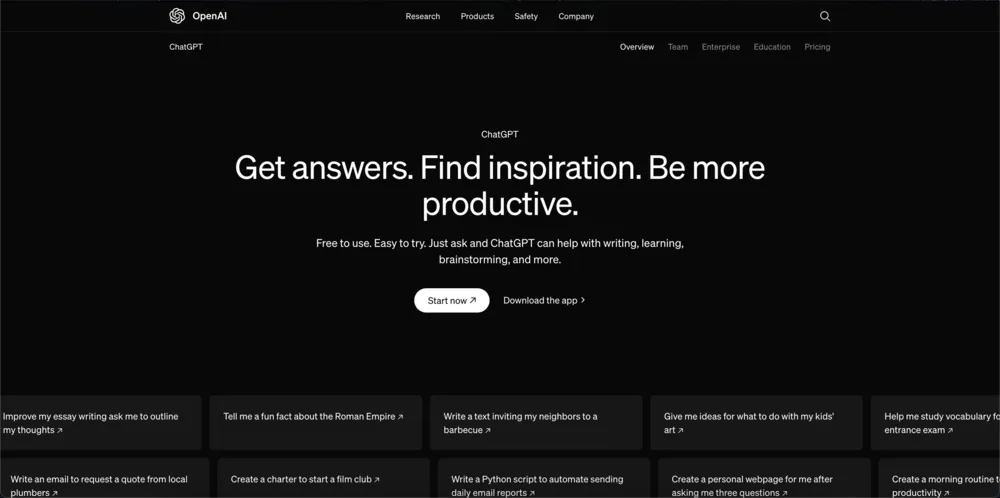
- Features: Provides conversational bots that offer real-time onboarding support, answer user queries, and deliver step-by-step guidance within mobile apps.
- G2 Reviews: Users recommend ChatGPT for its versatility and ease of integration into various platforms. It’s also praised for reducing manual workload. However, some users report occasional interface crashes, delays in response times, and the potential for “hallucinated” (incorrect) outputs.
- Case Study: Khan Academy integrated ChatGPT-powered bots to offer real-time support to students, resulting in smoother onboarding and reduced wait times for assistance.
2. Google AI (Gemini)
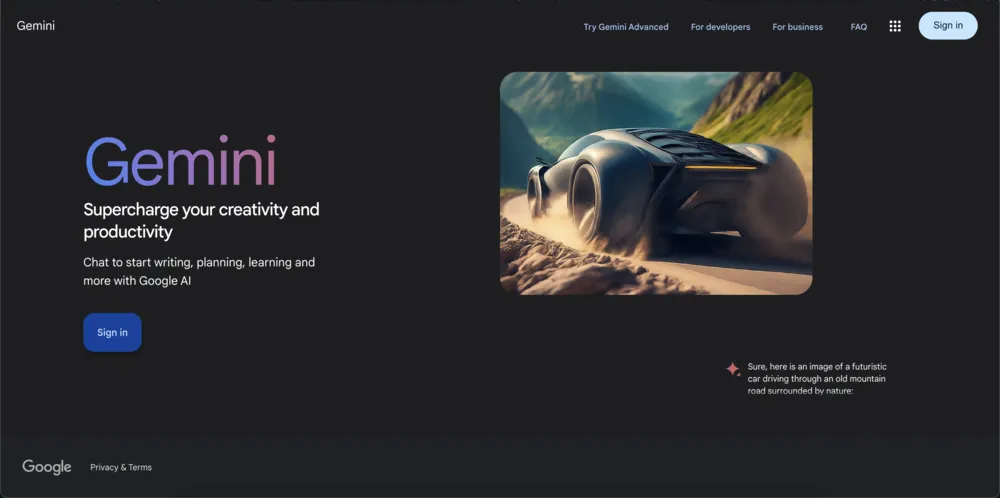
- Features: Leverages predictive models to anticipate user behavior and recommend the most relevant onboarding steps or tutorials. It dynamically adapts the experience based on user needs.
- G2 Reviews: Gemini AI receives high marks for delivering personalized onboarding experiences and predictive accuracy. However, because it is relatively new, reviews are still emerging, and practical usage feedback is limited.
- Case Study: A retail app used Gemini AI to optimize its onboarding journey, boosting conversions by 15% by offering real-time, tailored product tutorials and suggestions.
3. Dovetail
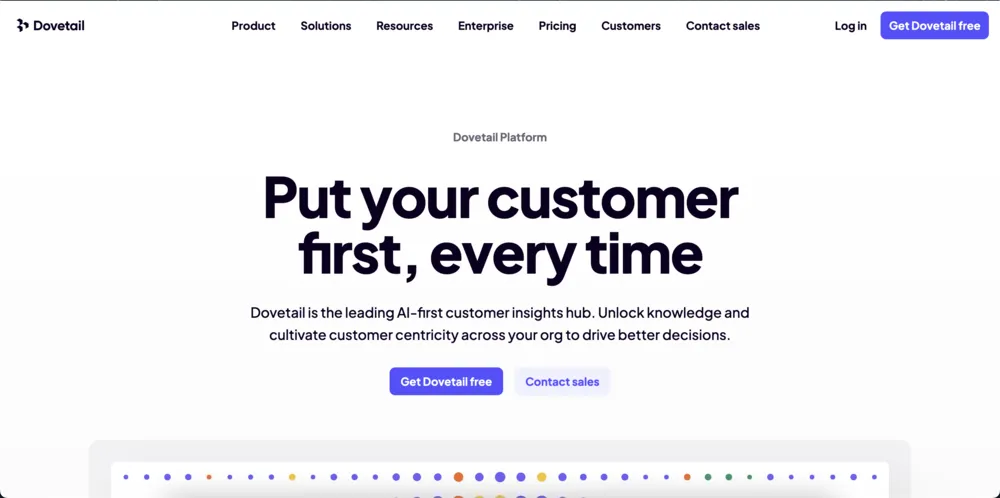
- Features: Collects user feedback throughout the onboarding process, helping product teams identify and refine friction points quickly. Offers deep analytics on user sentiment and experience.
- G2 Reviews: Users highlight Dovetail’s effectiveness in gathering actionable insights and fostering data-driven decision-making. A mentioned drawback of this tool is the steep learning curve for some analytics features.
- Case Study: Canva used Dovetail to analyze user feedback during onboarding, enabling them to remove unnecessary steps and reduce user drop-offs by 20%.
4. Intercom
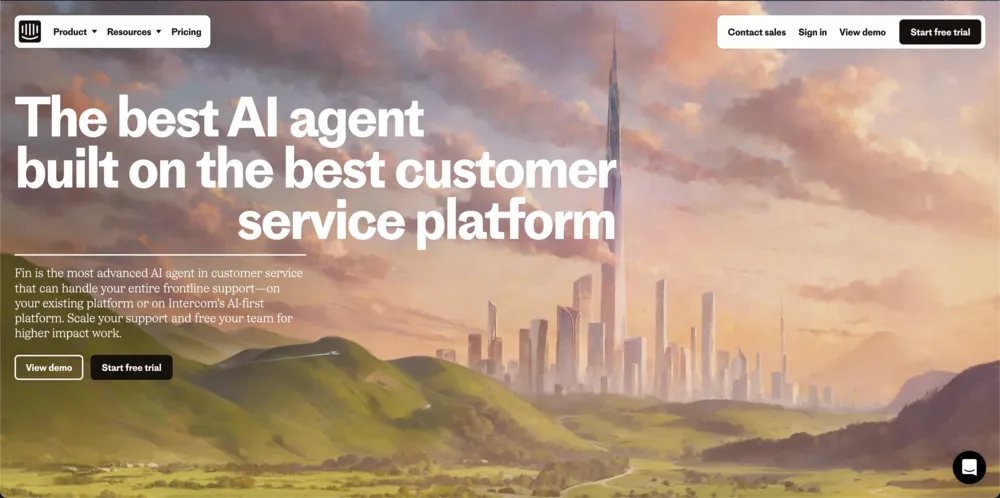
- Features: Automates the delivery of onboarding instructions, handles user queries in real-time, and offers AI-driven follow-ups to keep users engaged throughout the process.
- G2 Reviews: Customers appreciate Intercom Fin AI’s scalability, noting its ability to reduce support ticket volume significantly. However, some note that the initial setup can be complex.
- Case Study: Bank of Ireland used Intercom Fin AI to onboard new app users, reducing onboarding time by 30% while maintaining high customer satisfaction scores.
5. Devin AI
- Features: Uses AI to predict and identify user struggles in real-time, enabling teams to make immediate adjustments to onboarding flows. It balances usability with innovation to deliver seamless user transitions.
- G2 Reviews: Known for its predictive capabilities, Devin.ai receives praise for helping product teams act proactively and resolve friction points efficiently. Users noted to have faced occasional issues with integration into legacy systems.
- Case Study: A healthcare app used Devin.ai to monitor onboarding, identifying and eliminating drop-off points, resulting in a 40% reduction in churn within the first 30 days.
6. CleverTap
Features: CleverTap offers agentic personalization to adapt onboarding flows to individual user behavior, improving retention through real-time engagement. Its powerful segmentation tools create targeted experiences across touchpoints with push notifications, in-app messages, and email campaigns.
G2 Reviews: Users praise CleverTap for its versatility in engagement campaigns and behavior-based segmentation. Some reviews mention occasional challenges with its analytics dashboards and reporting clarity.
Case Study: A mobile gaming app using CleverTap improved onboarding completion by 25% by delivering personalized in-app messages at key moments.
7. Pendo
Features: Pendo enables businesses to optimize product adoption through in-app guides, walkthroughs, and behavioral analytics. It supports user feedback collection and provides actionable insights to refine onboarding flows. Pendo excels in product-led growth strategies, helping teams increase feature adoption.
G2 Reviews: Pendo is well-regarded for its easy-to-use analytics and in-app tutorials, though some users report integration challenges with complex tech stacks.
Case Study: An enterprise SaaS product used Pendo to enhance onboarding flows, leading to a 30% increase in feature adoption within the first 60 days.
8. Whatfix
Features: Whatfix specializes in Digital Adoption Platforms (DAPs), offering interactive walkthroughs and personalized user guidance. It supports onboarding with in-app help and performance tracking, enabling faster software adoption and reduced support costs.
G2 Reviews: Users highlight Whatfix’s ease of implementation and powerful in-app guidance features. However, some users gave feedback that the interface could be more intuitive.
Case Study: A financial services app leveraged Whatfix’s onboarding guidance, reducing user drop-offs by 20% and improving overall user satisfaction.
By predicting user behavior, automating personalized flows, and eliminating friction points, AI allows enterprises to deliver onboarding experiences that feel effortless and intuitive.
See where onboarding really breaks
Drop-offs in onboarding are often caused by slow screens or silent failures, not content. Luciq links onboarding funnel drop-offs to the sessions behind them, so you fix the real cause.