







Feature flag management tools let mobile teams turn features on or off remotely, roll them out gradually and run experiments without shipping a new build. We'll compare the top tools and what to consider for mobile, where app store release cycles make flags even more valuable.
Adobe Target
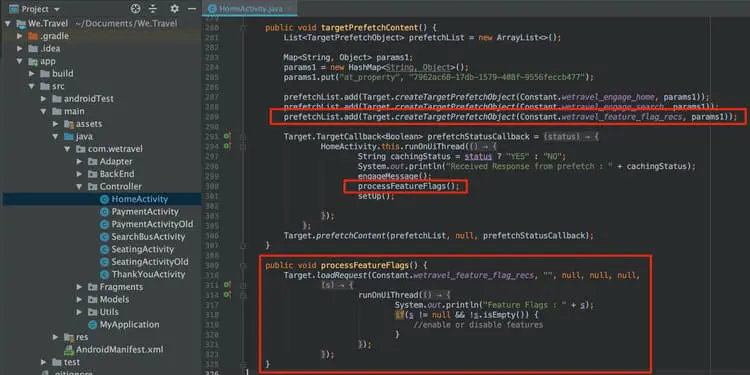
Adobe Target provides feature flag and personalization capabilities as part of Adobe's Experience Cloud, focusing on marketing-driven feature releases and customer experience optimization. The platform offers advanced audience targeting, A/B testing, and personalization features with strong integration into Adobe's marketing and analytics ecosystem. Adobe Target excels at content and feature personalization based on customer data and behavior.
However, Adobe Target is primarily designed for marketing teams rather than development teams, with pricing and complexity that may not suit pure development use cases. It's best for organizations needing marketing-driven feature control.
Supported Languages and Platforms:
JavaScript, mobile SDKs for iOS and Android, server-side APIs, and integrations with Adobe's Experience Platform.
Pricing:
Adobe Target pricing is custom and starts in the thousands per month as part of Adobe Experience Cloud. Contact Adobe for specific quotes based on traffic and feature requirements.
Airship

Airship has evolved from Apptimize's mobile-first approach, now offering comprehensive feature flag and experimentation capabilities as part of Airship's customer engagement platform. The tool maintains its strong mobile heritage while expanding to support cross-channel experiences. Airship provides advanced A/B testing, feature flags, and real-time personalization, making it particularly valuable for teams focused on mobile user engagement and retention.
The integration with Airship's broader customer engagement suite can be both an advantage and limitation, depending on whether you need the full platform or just feature flagging capabilities.
Supported Languages and Platforms:
iOS, Android, Web, React Native, Flutter, Unity
Pricing:
Airship offers tiered pricing based on monthly active users and features. Contact Airship for specific pricing details.
AWS AppConfig
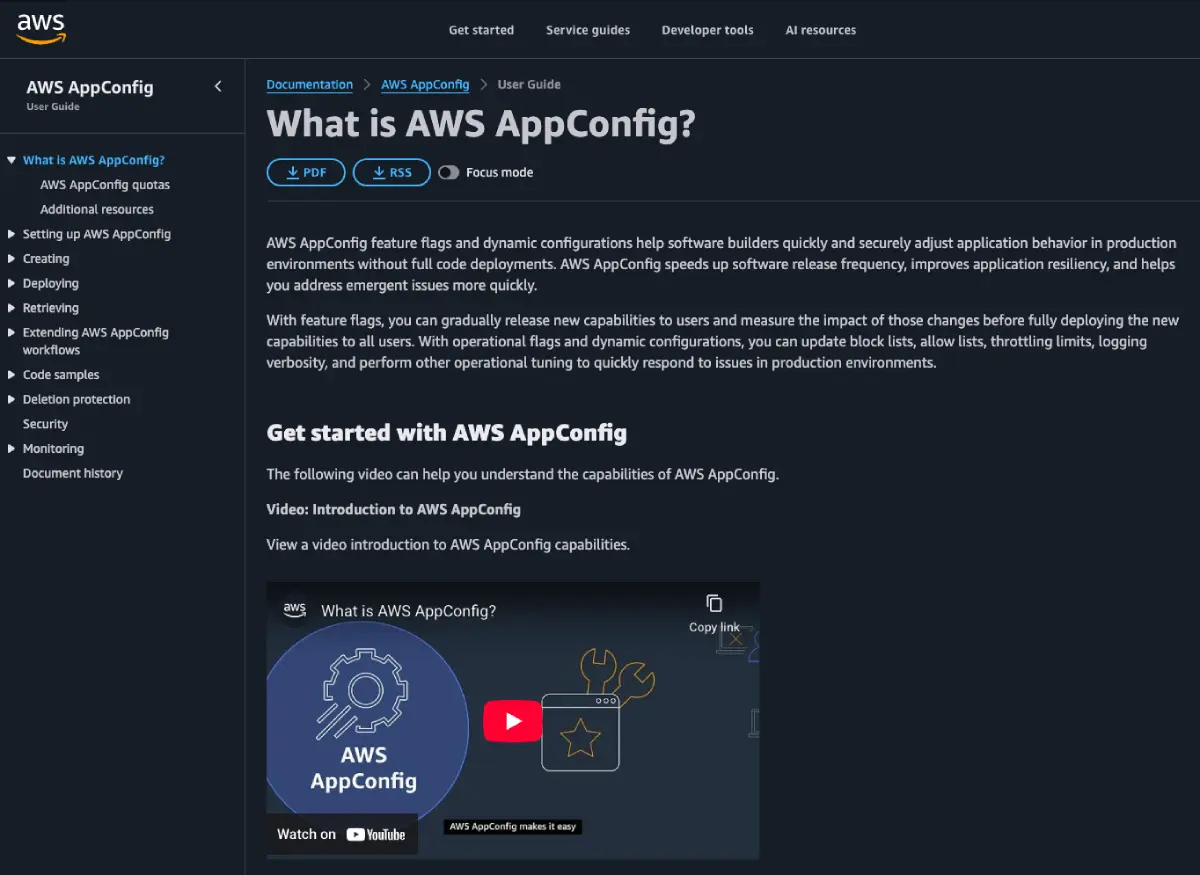
AWS AppConfig provides feature flag and configuration management capabilities within the AWS ecosystem, offering gradual rollouts with built-in safety mechanisms and automatic rollbacks. The service integrates natively with other AWS services and supports complex deployment strategies with monitoring and validation. AWS AppConfig emphasizes reliability and scalability, with features like configuration validators and deployment monitors.
The main limitation is the AWS ecosystem lock-in, and the service can be complex to set up compared to dedicated feature flag platforms. It's best suited for teams already heavily using AWS services.
Supported Languages and Platforms:
AWS SDKs for Java, Python, .NET, JavaScript, Go, and other languages. Works with Lambda, EC2, ECS, and other AWS services.
Pricing:
AWS AppConfig charges based on configuration requests: $0.50 per 10,000 requests, plus charges for configuration data stored and retrieved. Free tier includes 100,000 requests per month.
Azure DevOps
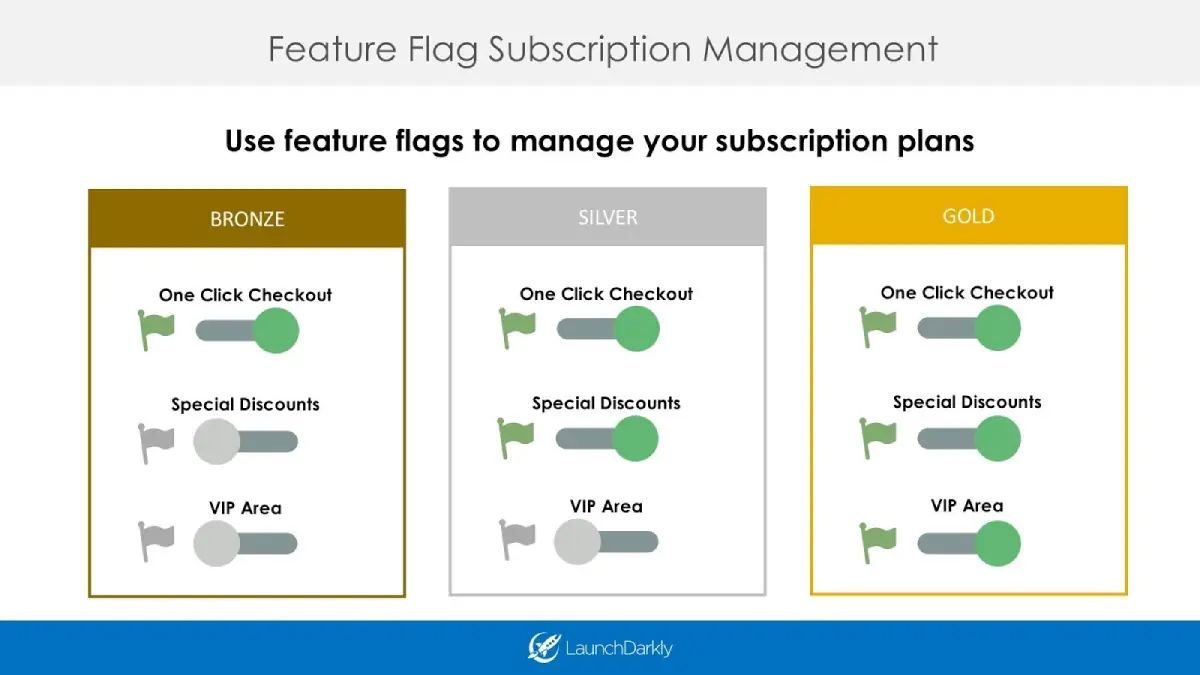
Microsoft Azure DevOps offers basic feature flag capabilities through Azure App Configuration and integrates with third-party feature flag services. The native approach focuses on configuration management with feature flag capabilities, while the ecosystem supports integrations with LaunchDarkly, Split, and other dedicated platforms. Azure DevOps emphasizes integration with Microsoft's development stack and provides deployment pipeline integration.
Azure's native feature flag capabilities are limited compared to dedicated platforms, but the strong integration with Microsoft's development tools makes it attractive for organizations using the full Microsoft stack.
Supported Languages and Platforms:
.NET, Java, JavaScript, Python, and other languages through Azure SDKs. Integrates with Azure DevOps Pipelines and Azure services.
Pricing:
Azure App Configuration (for feature flags) charges $1.20 per 10,000 requests after the free tier. Azure DevOps offers free tier for up to 5 users, with paid plans starting at $6/user/month.
CloudBees Feature Management
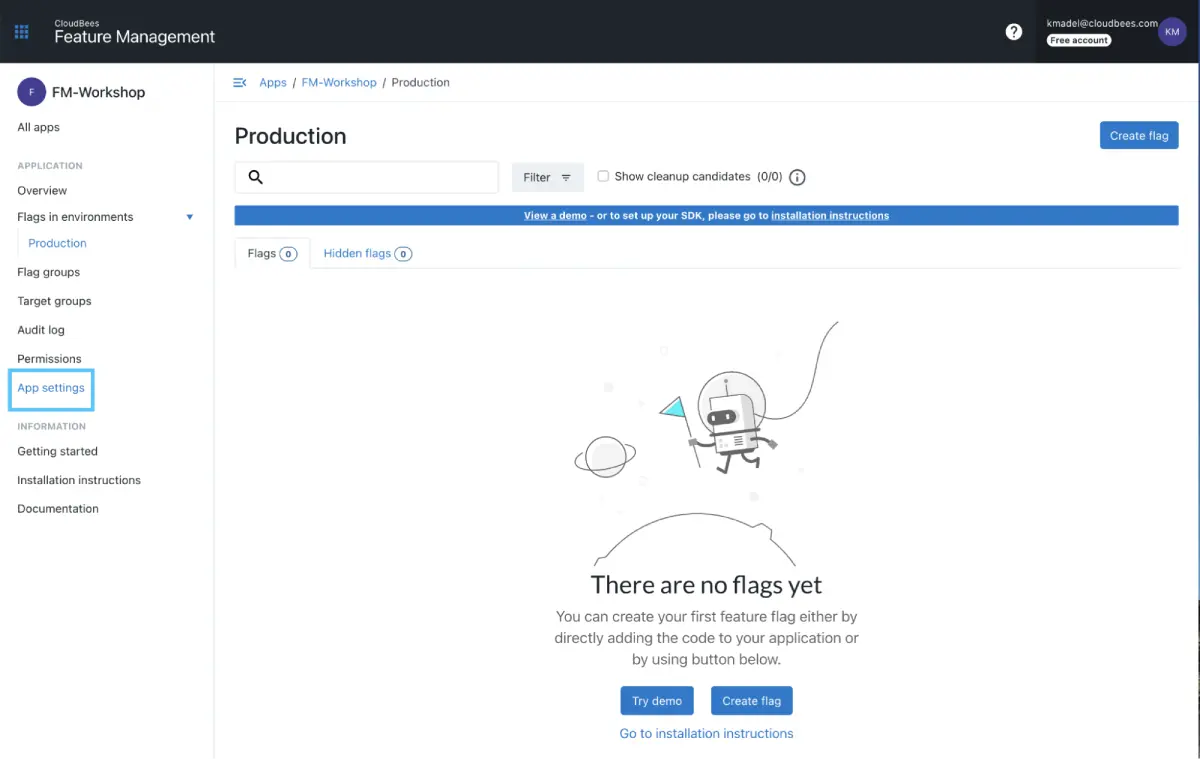
CloudBees Feature Management has evolved from the original Rollout platform, maintaining its enterprise-grade focus while expanding capabilities. The platform offers comprehensive feature flag management with boolean, number, and string flags, allowing developers full control over feature releases. CloudBees provides sophisticated targeting options, multiplatform support, and integrates seamlessly into existing development workflows. The platform emphasizes scalability with support for multiple environments and apps, making it ideal for organizations managing complex deployment pipelines.
Supported Languages and Platforms:
Android, AndroidTV, FireTV, iOS, AppleTV, JavaScript, C/C++, .NET, React Native, Go, Java, Node.js, PHP, Python, Ruby, TypeScript
Pricing:
CloudBees offers enterprise pricing with custom quotes based on usage and requirements. Contact CloudBees for detailed pricing information.
ConfigCat
ConfigCat has strengthened its position as a developer-friendly feature flag service with unlimited team members across all plans. The platform emphasizes simplicity and cross-platform compatibility, offering clean APIs and comprehensive SDKs. ConfigCat includes enterprise features like multi-factor authentication and audit logs even on lower-tier plans, making it accessible for growing teams.
The main limitation remains the lack of built-in analytics, requiring integration with external tools for detailed feature performance analysis.
Supported Languages and Platforms:
iOS, Android, JavaScript, Node.js, Python, Go, .NET, Java, PHP, React, Vue.js, Flutter, Dart, Swift
Pricing:
ConfigCat offers a free plan with 10 feature flags and 2 environments. The "Pro" plan costs €100/month, "Smart" at €300/month, "Enterprise" at €850/month, and “Dedicated” at €4,000/month.
DevCycle

DevCycle represents the next generation of feature flag platforms, built by the team behind Taplytics with native OpenFeature support. The platform emphasizes developer experience with fast SDKs, comprehensive mobile support, and intuitive management interfaces. DevCycle offers advanced targeting, experimentation capabilities, and seamless integrations.
As a newer platform, DevCycle may lack some of the ecosystem integrations and enterprise features of more established competitors, though they're rapidly expanding capabilities.
Supported Languages and Platforms:
JavaScript, React, Next.js, iOS, Android, React Native, Flutter, Node.js, Python, Go, Java, .NET
Pricing:
DevCycle offers a free tier with core features included. Paid plans start at $10/month with enterprise pricing available upon request.
Firebase Remote Config
Part of Google’s development platform, Firebase Remote Config is a simple but powerful feature flag tool. Remote Config allows you to do more with feature flags than hide incomplete features; with it, you can set up A/B/n tests and even update your app on the fly. Additionally, if you use Analytics for Firebase, you can leverage your existing audiences and segments for feature flag targeting.
However, the Remote Config dashboard is fairly basic, offering limited functionality and a less intuitive experience compared to other services. There is no group management outside of Google Analytics’ audiences, which requires you to enable Analytics in the Firebase SDK in order to access them.
Supported Languages and Platforms:
Android, iOS, Unity, C++, Web, Flutter
Pricing:
Firebase offers a free "Spark" plan. The "Blaze" plan is pay-as-you-go based on usage, making it cost-effective for most mobile applications.
Flagsmith
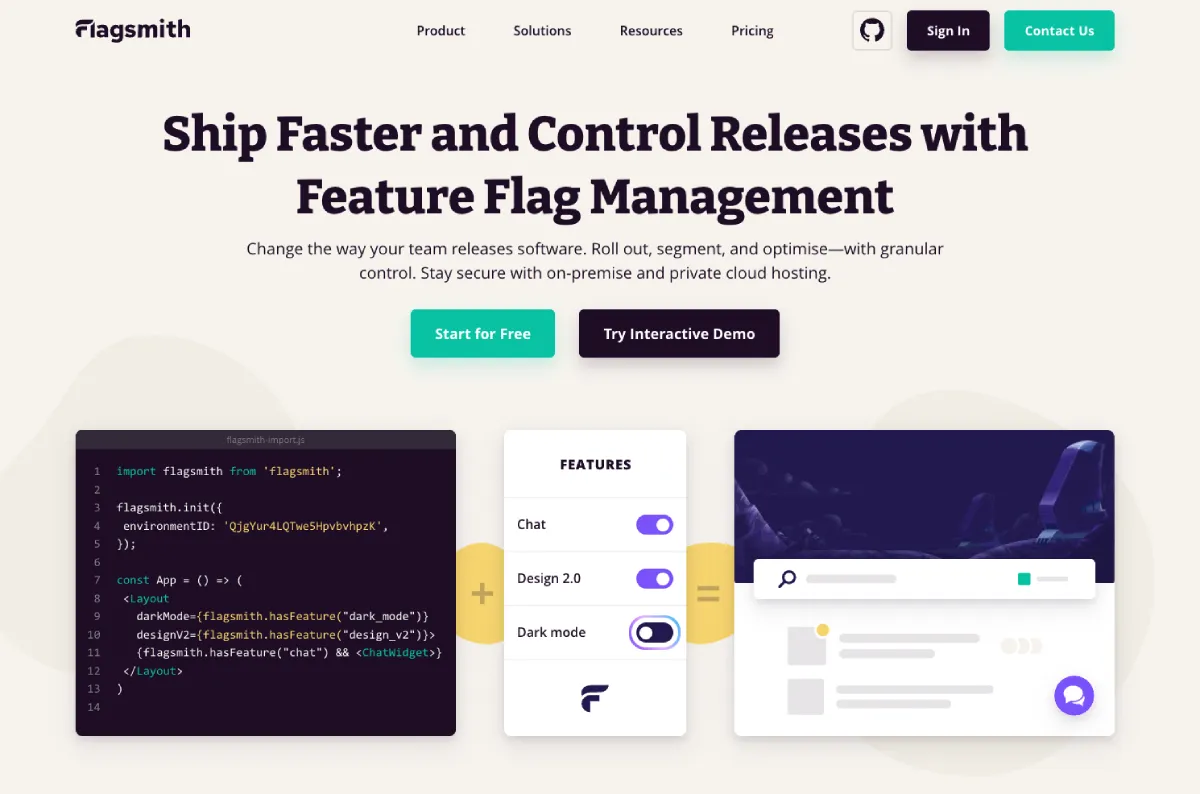
Flagsmith has matured significantly since its Bullet Train days, becoming one of the leading open-source feature flag platforms. The tool offers both self-hosted and cloud options, providing flexibility for security-conscious teams. Flagsmith includes advanced targeting, A/B testing, multivariate testing, and comprehensive audit logs. The platform supports both client-side and server-side implementations, making it versatile for mobile and web applications.
While Flagsmith has grown substantially, teams choosing the self-hosted option will need to manage infrastructure and maintenance themselves. The cloud offering reduces this burden but comes with subscription costs.
Supported Languages and Platforms:
iOS, Android, JavaScript, React, React Native, Node.js, Python, Java, .NET, Go, PHP, Ruby, Flutter, Rust
Pricing:
Flagsmith offers a generous free tier with up to 50,000 requests per month. Paid plans start at $40/month for the "Start-up" plan that comes with a 14-day free trial while enterprise pricing is available upon request.
GitLab
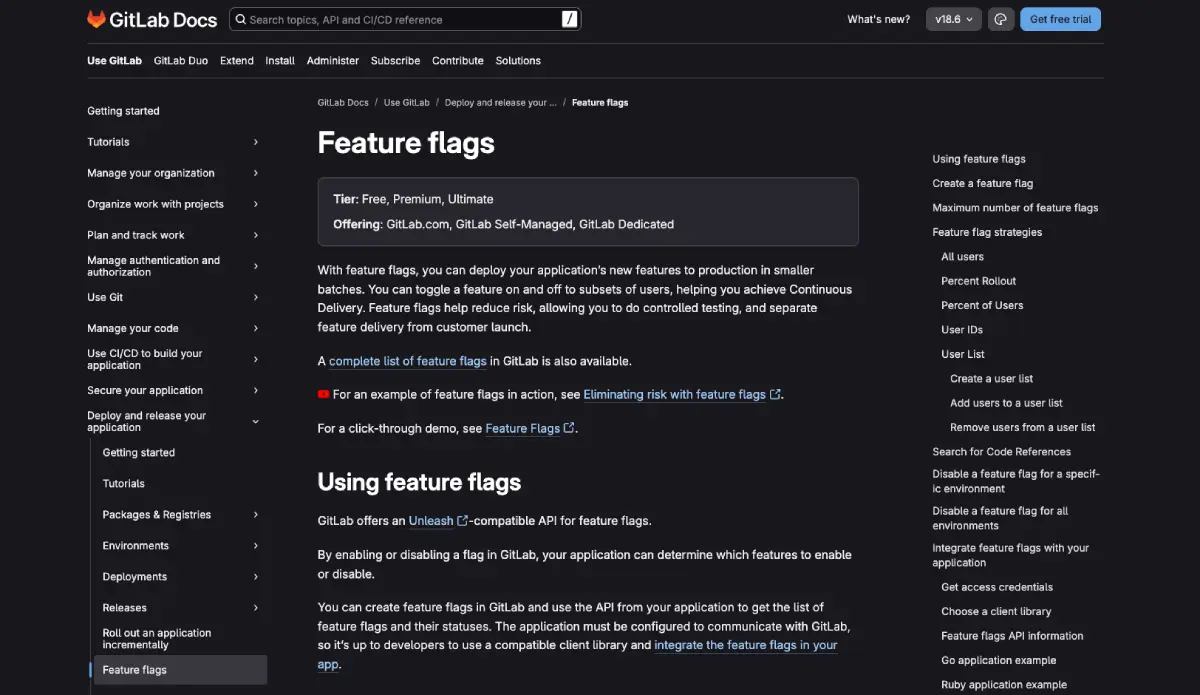
GitLab offers native feature flag management integrated directly into their DevOps platform, allowing teams to manage feature rollouts alongside their code repositories and CI/CD pipelines. The feature flags work seamlessly with GitLab's merge requests, enabling developers to deploy code behind flags and toggle features without additional deployments. GitLab's approach emphasizes simplicity and integration, providing basic targeting capabilities and environment-specific configurations.
However, GitLab's feature flag capabilities are more basic compared to dedicated platforms, lacking advanced experimentation features and sophisticated targeting options. The tool works best for teams already heavily invested in the GitLab ecosystem.
Supported Languages and Platforms:
Any language through REST API, with official SDKs for popular frameworks
Pricing:
GitLab feature flags are included in GitLab Premium ($29/user/month) and the Ultimate plan requires contacting them. Free tier includes basic feature flag functionality.
GrowthBook
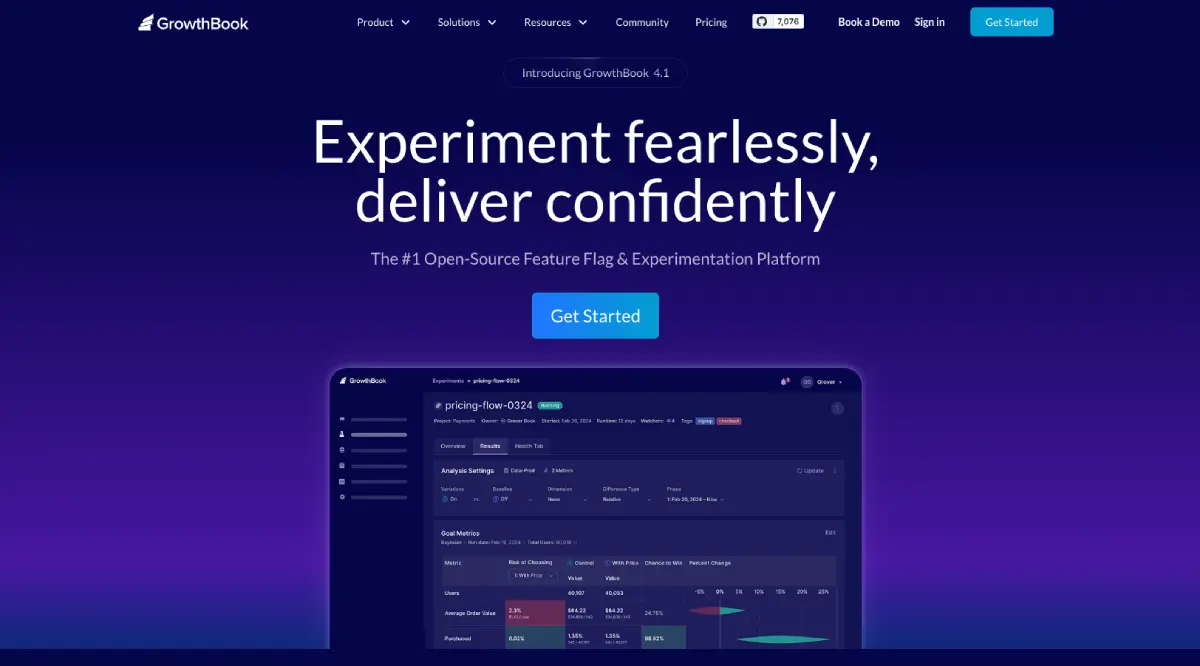
GrowthBook combines feature flags with A/B testing and analytics in an open-source, warehouse-native platform. The tool integrates directly with your existing data warehouse, providing powerful analytics capabilities and eliminating data silos. GrowthBook offers visual editors for non-technical team members while maintaining flexibility for developers.
The warehouse-native approach requires existing data infrastructure and may be complex for teams without dedicated data engineering resources.
Supported Languages and Platforms:
JavaScript, React, Node.js, Python, Go, Ruby, PHP, Java, iOS, Android
Pricing:
GrowthBook offers a free tier with core features. The "Pro" plan starts at $20/user/month, with custom enterprise pricing available.
Jira
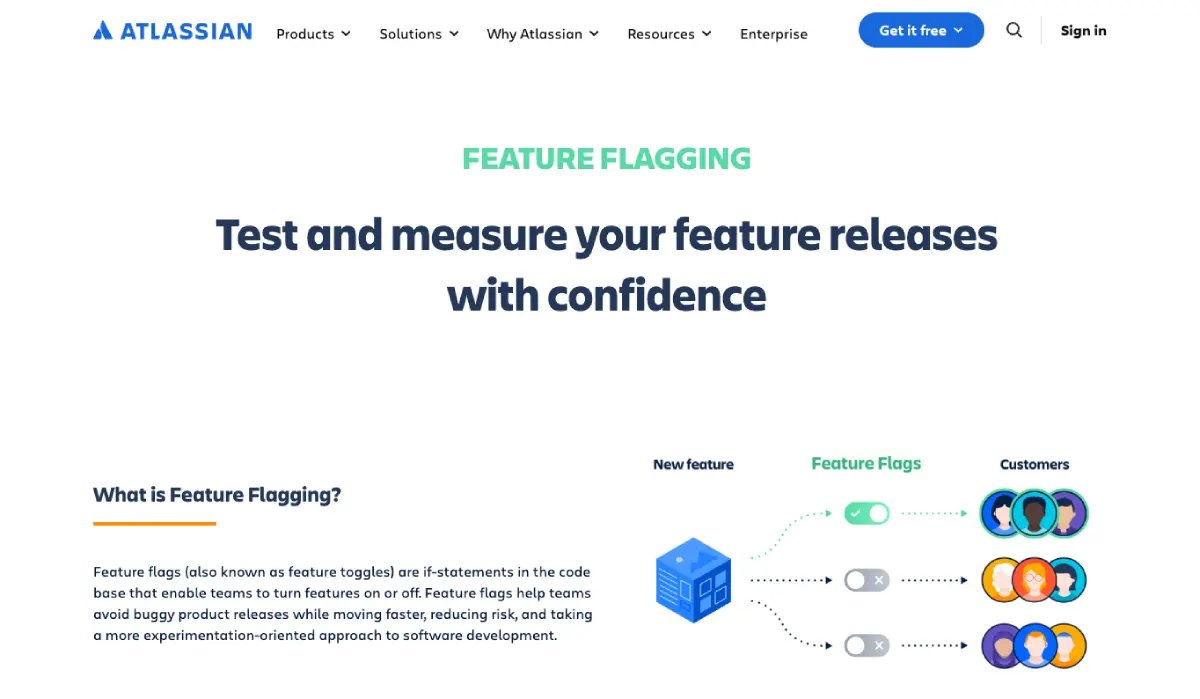
Rather than a standalone tool, feature flag platforms integrate with Jira for project management workflows. Major feature flag tools like LaunchDarkly, CloudBees, and Split offer Jira integrations that link feature releases to tickets, enable approval workflows, and provide traceability between features and development tasks. These integrations help teams manage feature lifecycles within their existing project management processes.
The effectiveness depends on the chosen feature flag platform's integration quality, and teams need both Jira and a separate feature flag service.
Supported Integration Partners:
LaunchDarkly, CloudBees Feature Management, Split, Flagsmith, and others offer Jira marketplace apps and webhooks.
Pricing:
Varies by feature flag platform choice. Jira integrations are typically included in feature flag platform subscriptions.
LaunchDarkly
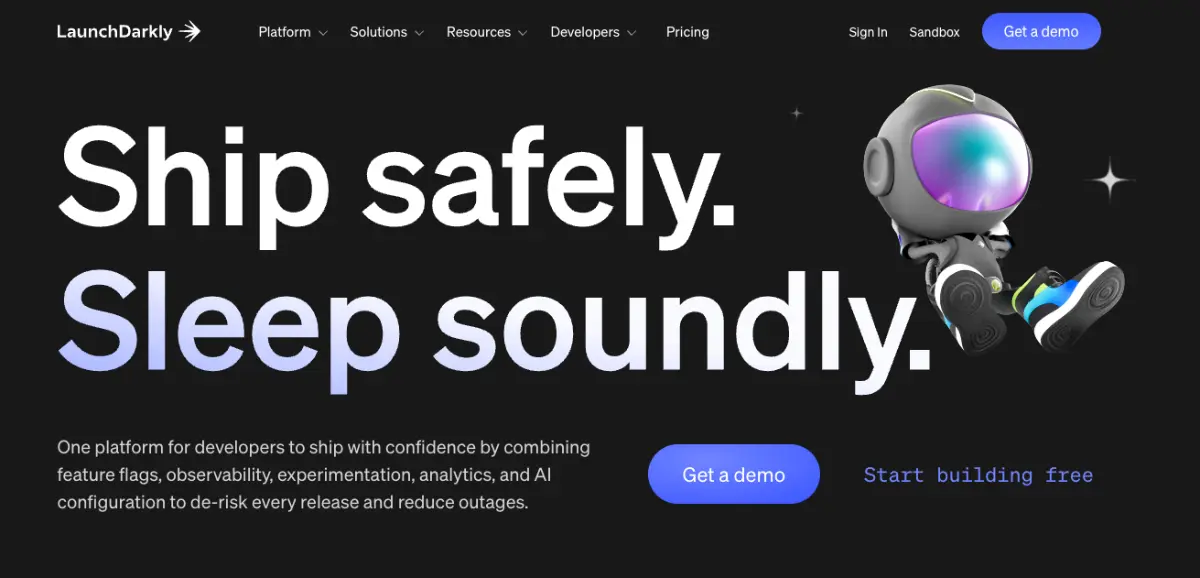
LaunchDarkly is another dedicated feature flag management tool that offers extensive features. The platform offers instant flag updates, sophisticated targeting rules, and extensive integrations. LaunchDarkly excels at detailed user segmentation and provides robust analytics for measuring feature impact. Their mobile SDKs are particularly well-regarded for reliability and performance.
However, LaunchDarkly's pricing can be prohibitive for smaller teams, and A/B testing capabilities require additional purchases as add-ons rather than being included in base plans.
Supported Languages and Platforms:
iOS, Android, Javascript, Flutter, Java, NodeJS, Swift, Ruby, Go, Python, PHP, .NET, Xamarin
Pricing:
LaunchDarkly offers a free Developer tier with unlimited feature flags, 30 SDKs, and support for up to 5 service connections and 1,000 client-side MAU. Paid plans start with the Foundation tier at $12 per service connection/month plus $10 per 1,000 MAU. Enterprise and Guardian tiers are available with custom pricing and advanced release automation, observability, and governance features. Add-ons include experimentation ($3/1,000 MAU), session replays ($3.50/1,000), errors ($0.30/1,000), traces and logs ($1.50/1M each).
Optimizely

Optimizely is a well known A/B testing and experimentation tool for both web and mobile. It claims to be built for the enterprise with features like roles, permissions, and two-factor authentication while still maintaining excellent usability. Along with user targeting, remote configuration, and instant rollbacks, Optimizely offers advanced A/B testing and experimentation features. By leveraging their presence on web they can even run multichannel experiments, closing the loop. Moreover, Optimizely integrates with over 30 popular development tools and should cause minimal disruption to your workflow.
Supported Languages and Platforms:
iOS, tvOS, Android, AndroidTV, C#, Java, Javascript, Python, PHP, Ruby.
Pricing:
Optimizely offers three plans i.e. “Essentials”, “Business”, and “Enterprise”, but you will need to contact them for a price quote.
PostHog
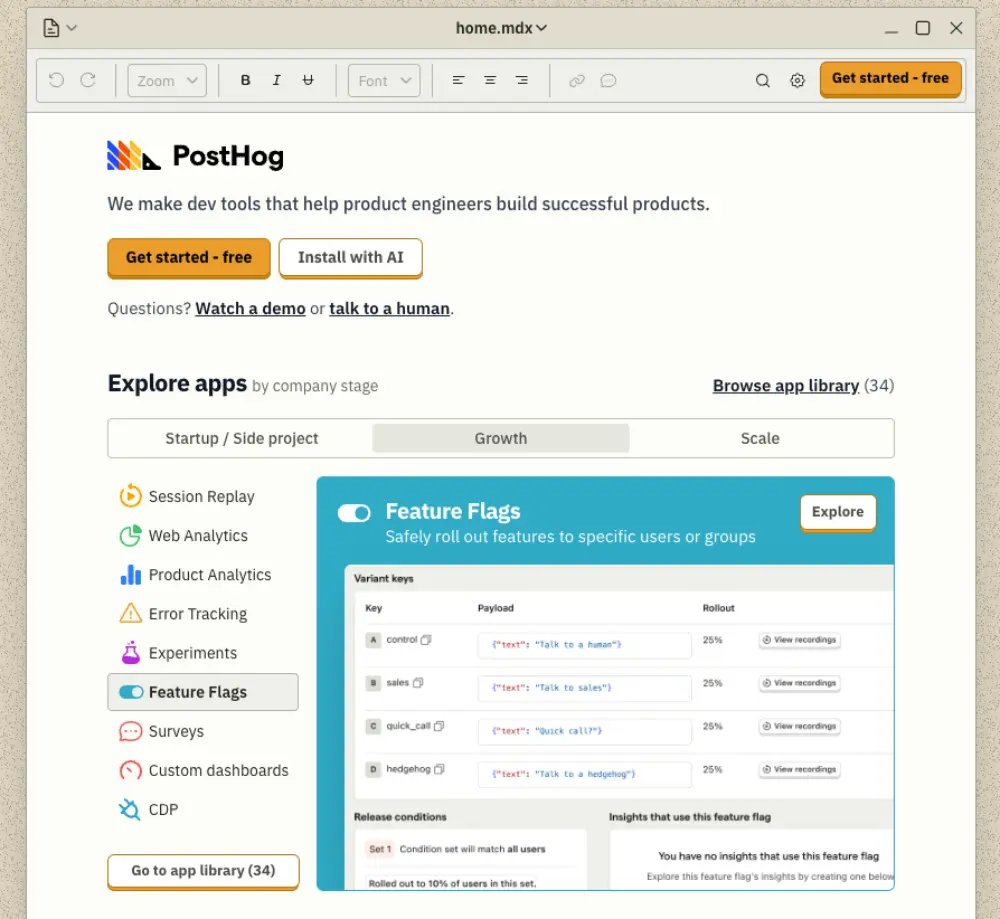
PostHog brings an all-in-one approach to feature flags, combining them with product analytics, session replay, A/B testing, and user surveys in a single platform. This integration allows for comprehensive feature analysis without switching between tools. PostHog offers both cloud and self-hosted options, with particularly strong support for mobile applications through React Native and native mobile SDKs.
The comprehensive nature of PostHog can be overwhelming for teams that only need feature flags, and the learning curve reflects the platform's broad capabilities.
Supported Languages and Platforms:
JavaScript, React Native, iOS, Android, Flutter, Python, Node.js, PHP, Ruby, Go, Java
Pricing:
PostHog offers a generous free tier with 1 million requests per month. Paid plans scale with usage, starting around $0.000100 per event after free limits.
Split

Split is yet another powerful feature flag management tool serving customers like EA, Salesforce, and Crunchbase. It might not be suited for cross-channel experiments, but offers highly granular control over your releases, their targeting, and team permissions. Additionally, Split provides a powerful analytics engine that can automatically determine the significance of test results, and attribute events to the relevant experiment. Lastly, Split also features enterprise-grade security and wide integration with the most popular tools.
Supported Languages and Platforms:
iOS, Android, Java, Javascript, NodeJS, Go, Ruby, Python, PHP, .NET.
Pricing:
Harness offers a free plan for individual developers and small teams with basic feature management capabilities. The Essentials plan includes the Feature Management & Experimentation module as part of a bundled DevOps package, with pricing available upon request. The Enterprise plan offers modular flexibility and custom pricing based on selected features and scale.
Unleash
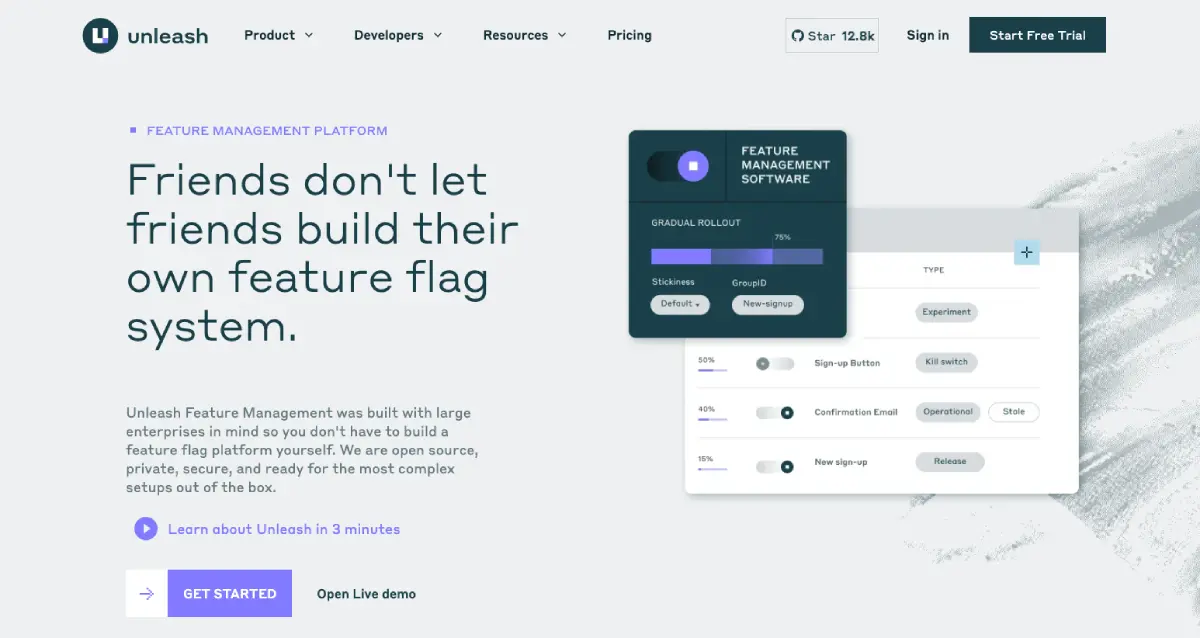
Unleash has emerged as the most popular open-source feature flag platform on GitHub, offering enterprise-grade capabilities with strong community support. The platform provides comprehensive targeting options, strategy configurations, and extensive SDK coverage. Unleash offers both hosted and self-hosted options, with a public roadmap and active development community.
While Unleash is powerful, the open-source nature means support relies heavily on community resources, though paid support is available for the hosted version.
Supported Languages and Platforms:
JavaScript, React Native, iOS, Android, Java, Node.js, Python, Go, .NET, PHP, Ruby, Rust, Swift
Pricing:
Unleash offers a free self-hosted open-source option and paid Enterprise plans at $75 per seat per month when billed annually. The platform provides a free 14-day trial of Pro features with no credit card required and no lock-in contracts. For hosted cloud plans, pricing starts at $80 per month and includes two environments and three projects for five team members. Custom pricing is available for larger enterprise deployments after the free trial period.
How do you measure a flag's impact on stability?
A feature flag controls who sees a feature. It doesn't tell you whether the feature is making things better or worse for the users who see it. That measurement requires connecting flag state to quality metrics.The signals to track per flag:
- Crash-free rate in the flag-enabled cohort versus the control cohort. If crash-free rate is lower in users who have the flag enabled, the feature is introducing instability. The comparison needs to control for device and OS distribution between the two cohorts, because those affect baseline crash rates independently of the feature.
- ANR rate in flag-enabled users. Some features introduce main-thread work that causes ANRs without producing crashes. ANR rate per flag state is the signal that catches these.
- Performance metrics per flag. If the feature adds a new API call or a new rendering layer, launch time, screen load time or frame rate may change in the flag-enabled group. Measure performance separately for the two cohorts.
- In-app reports from flag-enabled users. Users who experience an issue with a new feature are more likely to report it if you've made reporting easy. Filter your issue reports by flag state to see whether a new feature is generating disproportionate feedback.
- Automatic rollback: If crash-free rate in the flag-enabled cohort drops past a threshold, the flag should be disabled automatically without manual intervention. This is the mobile equivalent of a circuit breaker: when the signal is bad enough, the feature turns off before the problem spreads. Most feature flag tools support this through integration with a monitoring or observability platform that provides the signal.
Measure the impact of every flag
Flags control who sees a feature; they don't show how it performs. Luciq tracks stability and performance per flag, and Autopilot can roll a flag back automatically if it causes harm.